Table of Contents
- Understanding Clinical Trials
- Barriers to Participation
- The Importance of Diversity
- Technological Innovations
- Policy and Regulatory Changes
- Patient Education and Engagement
- The Role of Healthcare Providers
- Looking Ahead
Clinical trials drive progress in modern medicine, creating new pathways and hope for patients seeking innovative care options. For those wishing to participate in a clinical trial, understanding this essential process is the first step toward accessing advancements that could improve or even save lives. While clinical trials can transform healthcare, participation remains complex, with challenges and evolving solutions shaping the journey.
Despite the crucial role participants play in advancing treatments, many individuals face barriers such as logistical difficulties, lack of information, and concerns about eligibility. As research organizations and healthcare systems invest in overcoming these obstacles, there has never been a more important time to explore the opportunities and responsibilities of joining a clinical study. This article offers a detailed overview of the critical aspects of clinical trial participation, equipping patients and their families with the insights needed to make informed decisions.
Understanding Clinical Trials
Clinical trials are meticulously designed research studies conducted in people to test new ways to prevent, detect, or treat diseases. Each clinical trial operates with the dual goal of determining the effectiveness and safety of medical interventions, such as new drugs, therapies, or diagnostic procedures. For participants, clinical trials offer early access to the latest developments in healthcare, alongside the opportunity to directly contribute to scientific innovation that future patients will benefit from. The journey to enrolling in a study begins with eligibility screening and continues with ongoing collaboration between patients and researchers.
Barriers to Participation
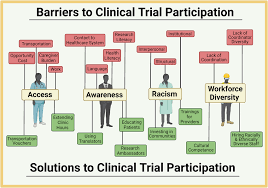
Despite the clear benefits, enrollment in clinical trials remains lower than needed. Many patients encounter significant barriers, including burdensome travel requirements, rigid scheduling, and the out-of-pocket costs associated with frequent medical appointments. Others may be unaware of what clinical trials are available or encounter cultural, language, or informational gaps that discourage participation. These factors contribute to underrepresenting many groups, ultimately limiting the generalizability and effectiveness of treatments developed through research.
The Importance of Diversity
The underrepresentation of women, racial minorities, and older adults in clinical research not only slows progress but also risks leaving entire communities behind. Ensuring diverse clinical trial populations means treatments are tested and refined for everyone, reducing the risk of unexpected side effects and maximizing therapeutic benefits across different backgrounds. A growing movement within the scientific community emphasizes recruitment strategies designed to reflect the full spectrum of real-world patients. Diversity in clinical trials is now recognized as a scientific and ethical imperative that advances more equitable health outcomes.
Technological Innovations
Technology is revolutionizing clinical trial access and participation. Decentralized trials, powered by telemedicine, mobile health applications, and home-based sample collection, have enabled many more people to join studies without ever stepping into a hospital or research site. These innovations are particularly helpful for patients in rural areas or those with mobility issues, opening trials to wider, more representative groups. Remote monitoring and digital consent processes further streamline enrollment and data collection, making research more efficient and inclusive than ever before.
Policy and Regulatory Changes
Governments and regulatory agencies are responding to the need for faster, more flexible clinical trial processes. By introducing policies that decrease bureaucratic delays, such as the UK’s initiative to cut trial setup times from nine months to just ten weeks, countries aim to maintain their status as attractive research destinations and enable timely patient access to new therapies. These reforms drive increased investment in healthcare innovation while facilitating safer, more responsive clinical trials.

Patient Education and Engagement
Effective education is one of the most powerful tools for bolstering clinical trial participation. Patients often hesitate due to a lack of understanding about the purpose, procedures, and protections inherent in clinical studies. Clear, accessible resources—provided by advocacy groups, hospitals, and research organizations—empower patients with the knowledge needed to make confident decisions. Outreach efforts that engage individuals early in their healthcare journey, address common misconceptions, and offer culturally relevant guidance are essential for fostering an informed, motivated participant community.
The Role of Healthcare Providers
Healthcare providers play a unique role in connecting patients with clinical trials. Physicians and nurses explain the pros and cons of participation, identify eligible patients, and guide them toward opportunities that align with their health goals. Their support, trust, and encouragement substantially influence patient willingness to consider clinical research, especially in communities traditionally wary of participating. By routinely discussing trials as part of standard care, providers can normalize participation and expand access to breakthrough treatments for all.
Looking Ahead
The landscape of clinical trial participation is evolving, emphasizing inclusivity, innovation, and patient-centered approaches. By breaking down barriers, encouraging diversity, and adopting digital tools, the medical field is poised to develop safer, more effective therapies for populations worldwide. Continued progress relies on the collaboration of patients, researchers, policymakers, and providers to create a future where everyone has the opportunity to benefit from and shape the advances in medicine.